
Hello there! What are the top tech innovations coming out of Nigerian universities in 2026?
Nigeria’s higher education is making great strides. For decades, institutions focused heavily on theoretical academics, often leaving graduates unprepared for practical industry demands. However, as of 2026, we are witnessing a massive transformation across the country.
Campuses have undeniably become active incubators for groundbreaking technology. Consequently, students and researchers now prioritize building viable products over merely publishing academic papers.
Specifically, the top tech innovations emerging from Nigerian universities in 2026 tackle highly localized, everyday problems. Because these creators intimately understand the socioeconomic challenges within their immediate environments, their solutions prove exceptionally effective.
As a result, global venture capitalists, local angel investors, and the Federal Government are finally paying close attention to these academic hubs. They recognize that sustainable digital growth requires homegrown intellectual property.
Furthermore, the integration of advanced technologies—such as artificial intelligence, blockchain, and the Internet of Things (IoT)—has accelerated the pace of prototyping. Therefore, university labs are no longer dusty rooms filled with outdated equipment; they are modern startup foundries.
In this comprehensive analysis, we will explore the specific inventions redefining Nigeria’s digital economy, healthcare systems, and educational infrastructure.
Top Tech Innovations From Nigerian Universities in 2026
1. AI-Driven Connectivity: Solving the Wi-Fi Crisis
AI-driven connectivity is one of the top tech innovations emerging from Nigerian Universities in 2026. Internet access remains the absolute backbone of any technological advancement. Unfortunately, Nigerian universities have historically struggled with poor bandwidth distribution and frustrating connectivity blackouts.
To directly resolve this bottleneck, researchers at the Federal University of Technology, Minna (FUTMinna) recently unveiled a game-changing solution. In July 2025, a dedicated team led by Prof. Olatomiwa Lanre Joseph developed CONNECTPLUS. This AI-powered Smart Wi-Fi Signal Amplification System (SWiSAS) completely redefines how campus networks operate on a structural level.
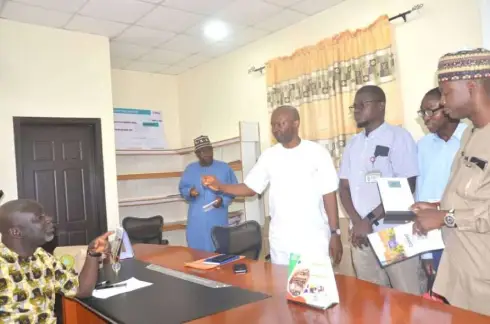
Instead of acting as a basic, static signal booster, CONNECTPLUS utilizes sophisticated machine learning algorithms to continuously monitor network traffic. Consequently, it adapts to real-time usage patterns and intelligently manages bandwidth allocation. Because the system anticipates network demand before bottlenecks actually occur, students experience uninterrupted, high-speed access even during peak lecture hours.
Furthermore, Dr. Taliha Abiodun Folorunso, Head of Mechatronics Engineering at FUTMinna, deliberately designed the system to be highly energy-efficient. Therefore, it easily survives the frequent power grid fluctuations that are unfortunately common across the country.
Ultimately, this scalable invention does not just benefit universities. Corporate offices across Abuja and Lagos are already looking to commercially deploy CONNECTPLUS to stabilize their own enterprise networks. As a result, FUTMinna has successfully positioned itself at the absolute forefront of telecommunications hardware development in West Africa.
2. Medical Technology: Local Solutions for Critical Care
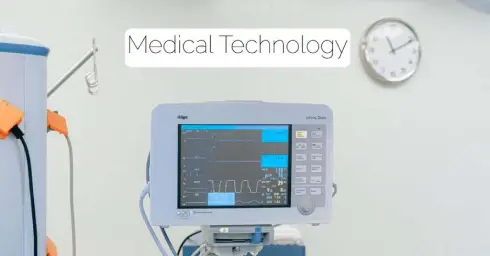
Medical tech innovations are emerging from Nigerian Universities. While software often dominates the mainstream startup conversation, hardware innovations are actively saving lives on the ground. Specifically, the University of Lagos (UNILAG) has recently emerged as a formidable powerhouse for medical technology. Because imported medical equipment frequently breaks down and lacks localized technical support, UNILAG researchers focused intently on building resilient, indigenous alternatives.
For instance, Dr. Solomon C. Nwaneri and his specialized team recently invented the Smart Infant Apnoea Monitor. This highly sophisticated device simultaneously measures blood pressure, oxygen saturation, and heart rate to instantly detect apnoea in newborns. Consequently, pediatricians can intervene immediately when an infant abruptly stops breathing, thereby preventing fatal outcomes.
Similarly, UNILAG aggressively addressed the critical issue of neonatal jaundice in remote areas. Dr. Oduah Uzoma Ifeanyi spearheaded the rapid development of the Solar Powered Neonate Phototherapy Device Station. Because many rural Nigerian clinics lack access to reliable electricity, traditional phototherapy machines remain practically useless.
Therefore, this solar-powered station ensures that babies receive continuous, life-saving treatment regardless of the national grid’s current status. Additionally, the university recently developed a low-cost, rapidly deployable synchronous two-motor Ambu-Ventilator. During severe respiratory emergencies, rural hospitals can deploy this affordable ventilator instantly. By prioritizing extreme accessibility and rugged design, UNILAG demonstrates why the top tech innovations emerging from Nigerian universities in 2026 are vital to national survival.
“Meaningful tech doesn’t need extravagant funding; it starts with a deep, uncompromising understanding of real, localized problems that demand urgent attention.”
3. Blockchain: Eradicating Academic Fraud

Beyond physical healthcare, Nigerian universities are aggressively tackling deeply rooted administrative corruption. For several years, certificate fraud has plagued the corporate and public sectors. In fact, fake academic credentials cost the Nigerian economy an estimated ₦20 billion annually. To permanently eliminate this systemic issue, progressive institutions like Covenant University, Ahmadu Bello University (ABU), and the University of Lagos have turned decisively to blockchain technology. By early 2026, these leading universities successfully launched rigorous pilot programs for decentralized certificate verification.
When a student officially graduates, the university encrypts their specific degree information and stores it directly across a secure, distributed ledger. As a result, the academic data becomes entirely tamper-proof and immutable. Consequently, employers can verify a candidate’s credentials in mere seconds rather than waiting several weeks for official university transcripts to arrive by mail.
Furthermore, the National Universities Commission (NUC) is actively exploring viable ways to scale this blockchain system nationwide. Because blockchain technology effectively removes the need for slow human intermediaries, it completely destroys the lucrative black market for forged certificates. Therefore, this digital innovation restores immense credibility to the Nigerian higher education system on the global stage.
Read: Student Builds App That Solves UNILAG Hostel Crisis
4. Agritech: Securing Food Systems with Artificial Intelligence

Food security undoubtedly remains a pressing, existential issue across the African continent. Fortunately, brilliant students and dedicated researchers are deploying artificial intelligence to revolutionize traditional agriculture. Across vast campuses like the Federal University of Technology, Akure (FUTA) and Bells University of Technology, precision farming has definitively moved from a theoretical concept to a physical reality.
Researchers are now actively building AI-enabled drones equipped with advanced computer vision capabilities. Specifically, these automated drones fly systematically over commercial farmlands to detect crop stress, weed infestations, and early signs of devastating diseases.

Because the drones provide highly granular, actionable data, farmers can apply strictly targeted chemical interventions. Consequently, they significantly reduce their heavy reliance on expensive chemical fertilizers and minimize their overall environmental impact.
Furthermore, student innovators are currently developing autonomous robotics to automate highly labor-intensive harvesting processes. Since rural farming communities face a massive shortage of skilled youth willing to farm manually, these robotic solutions brilliantly bridge a critical labor gap.
Ultimately, by seamlessly merging software engineering with practical agronomy, these universities proactively ensure that Nigerian agriculture remains exceptionally resilient against ongoing climate change and global supply chain disruptions.
5. Localized EdTech: Students Building for Students
While senior university faculties drive heavy, long-term research, the students themselves are rapidly building agile, consumer-facing software. Consequently, the localized EdTech sector has seen a massive, unprecedented surge in student-led tech startups.
Because these young, ambitious founders experience daily campus frustrations firsthand, they know exactly what digital solutions the market actively demands. For example, Fashoranti Olanrewaju, an enterprising student at UNILAG, independently developed CourseQR.
This dynamic learning platform smartly leverages generative AI to break down dense, complicated lecture materials into highly digestible, bite-sized lessons. Additionally, it instantly generates personalized quizzes and smart flashcards, thereby making late-night studying highly interactive and significantly less stressful.
Similarly, another highly motivated group of UNILAG students recently launched Unibeta. This comprehensive student management platform helps busy undergraduates meticulously track their Cumulative Grade Point Average (CGPA), schedule clashing classes, and seamlessly connect with verified peer tutors.
Because imported Western educational software rarely accounts for the unique, unpredictable nuances of the Nigerian university system—such as sudden timetable shifts or localized grading curves—these indigenous apps boast massive user retention rates. Therefore, student-led tech innovation is clearly no longer a distant, abstract dream; it is happening right now in crowded dorm rooms and bustling campus libraries.
Standout Stat: The Federal Government’s Student Venture Capital Program (S-VCG) now actively provides up to ₦3 million in equity-free seed funding to dramatically accelerate student-led digital businesses.
6. Renewable Energy and Smart Campus Infrastructure
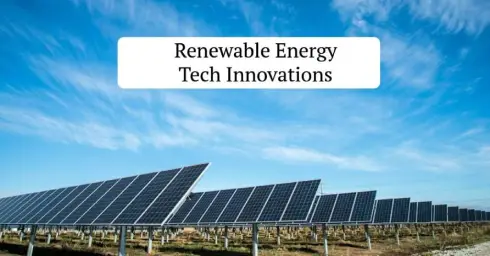
In addition to software and MedTech, Nigerian universities are spearheading massive transitions toward sustainable energy. Given the historic unreliability of the national power grid, institutions recognize that clean energy independence is strictly non-negotiable.
Consequently, researchers at the First Technical University (Tech-U) in Ibadan and the Rivers State University (RSU) are designing advanced, hybrid microgrids. These microgrid systems brilliantly integrate solar power, wind turbines, and highly efficient lithium-ion battery storage arrays.
Specifically, these systems utilize IoT (Internet of Things) sensors to dynamically route power to high-priority campus zones, such as research laboratories and server rooms. Because the AI software predicts peak power usage times, it automatically conserves battery life during off-peak hours.
Furthermore, engineering students are actively developing localized biogas digesters that convert campus food waste into usable cooking gas for student hostels. Therefore, this dual approach not only slashes exorbitant university utility bills but also instills a profound culture of environmental sustainability among the student body.
Ultimately, these renewable energy blueprints serve as perfectly scalable models for wider municipal adoption across Nigeria’s rapidly growing smart cities.
7. Artificial Intelligence for Local Languages
One of the most culturally significant and commercially groundbreaking areas of current research involves Natural Language Processing (NLP) specifically designed for Nigerian dialects. Historically, global AI models have struggled to accurately understand Yoruba, Igbo, Hausa, or the ubiquitous Nigerian Pidgin.
However, researchers across Obafemi Awolowo University (OAU) and various local campus AI collectives are aggressively changing this exclusionary narrative. They are actively building massive, diverse audio datasets to train sophisticated edge AI models. Consequently, these indigenous voice assistants and automation tools can operate completely offline, processing local languages directly on cheap mobile devices without requiring continuous, expensive cloud connectivity.
Because language has always been technology’s greatest barrier to entry in rural Nigerian communities, this specific innovation is genuinely revolutionary. Market women and small business owners who cannot fluently speak English can now confidently use AI to track their daily inventory, process digital payments, and seamlessly manage logistics using their native tongues.
Furthermore, this intense academic research opens up massive, high-paying career opportunities in NLP engineering for fresh university graduates. Ultimately, by democratizing access to artificial intelligence, Nigerian universities are decisively ensuring that the ongoing digital revolution actively includes every demographic, regardless of their formal educational background.
Tech Innovations From Nigerian Universities – The Catalyst: Institutional Funding and Innovation Hubs
Obviously, raw intellectual talent alone cannot permanently sustain a thriving hardware or software ecosystem. Consistent funding and robust physical infrastructure serve as the necessary, indispensable fuel.
Fortunately, 2026 has brought absolutely unprecedented institutional support for academic innovators. Most notably, the Federal Ministry of Education recently launched the ambitious Student Venture Capital Program (S-VCG). This nationwide initiative proudly offers structured validation support, expert mentorship, and lucrative equity-free grants to student founders actively building scalable solutions in Science, Technology, Engineering, Mathematics, and Medical Sciences (STEMMS).
Must Read: YEIDEP 2026: Recruitment, Registration, and Everything You Should Know Before You Apply
Consequently, young software developers no longer have to painfully bootstrap their early prototypes with meager weekly allowances.
Furthermore, strategic private partnerships are dramatically accelerating campus infrastructure development. For instance, in January 2026, Covenant University officially partnered with the prominent international firm MiGO Mobile to inaugurate the Care and Research Development Centre. As Vice-Chancellor, Prof. Timothy Anake astutely noted, this dedicated hub directly strengthens advanced research and practical skills development.
Similarly, New Horizons Nigeria recently commissioned a breathtaking, state-of-the-art ICT facility at Adeleke University. Because these deeply invested private entities provide expensive, industry-standard equipment, students can easily build enterprise-grade software before they even graduate. Therefore, the traditional, frustrating gap between theoretical academia and the highly competitive corporate tech industry is rapidly closing.
Conclusion: The Road Ahead for Nigerian Universities
In conclusion, the top tech innovations emerging from Nigerian universities in 2026 undeniably demonstrate that the nation is rapidly transitioning from a passive consumer of global technology to a powerful primary creator. From FUTMinna’s AI-amplified Wi-Fi networks to UNILAG’s crucial, life-saving neonatal hardware, the homegrown solutions are as beautifully diverse as they are economically impactful.
Furthermore, the strategic integration of blockchain ledgers for certificate verification and the explosive rise of student-built EdTech platforms demonstrate a profound, lasting commitment to systemic integrity and operational efficiency.
Because aggressive government initiatives like the S-VCG and massive private infrastructure investments are now actively supporting these young creators, the innovative momentum will undeniably accelerate. Therefore, the old days of relying exclusively on Silicon Valley or European tech hubs for basic software solutions are coming to an end.
The next African billion-dollar startup is undoubtedly being coded in a Nigerian university laboratory right now. As a result, global investors, local policymakers, and corporate leaders must continue to aggressively back these academic institutions.
Thank you for reading through. We hope you found this article helpful. Follow our page for me, and do well to share this with others.
Recommended:
Top 20 Fully Funded Scholarships in the UK for International Students (2026/2027)
Samsung Galaxy S26 Ultra, The Really New Technology In Display
This made me rethink some of my assumptions. Really valuable post.
Let’s see what you’ve got. Seems legit, interface looks clean. Time to roll the dice